Is e-sport a sport? An expert look at modern digital competitions
What is e-sport?
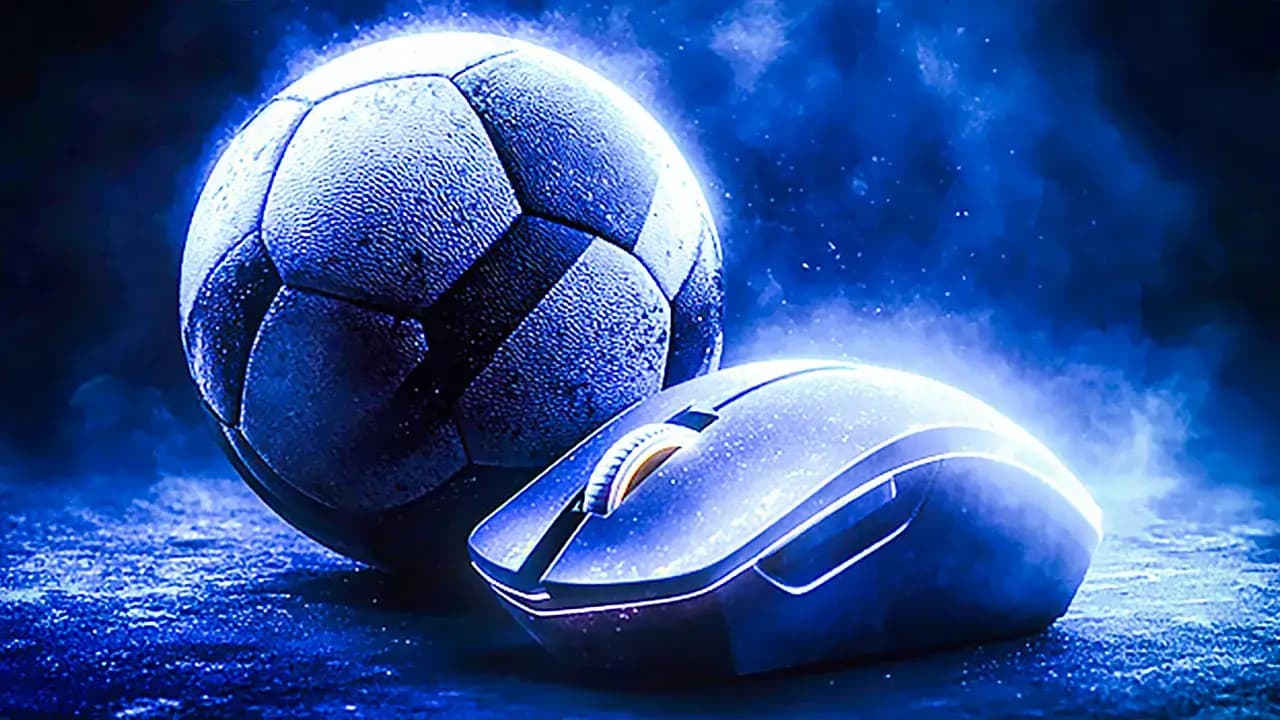
E-sport (short for electronic sports) is a form of competition in which players, individually or in teams, compete in video games at a professional level. Importantly, esports is not the same as casual gaming – it refers to games played at the highest level, often streamed live and watched by millions of fans.
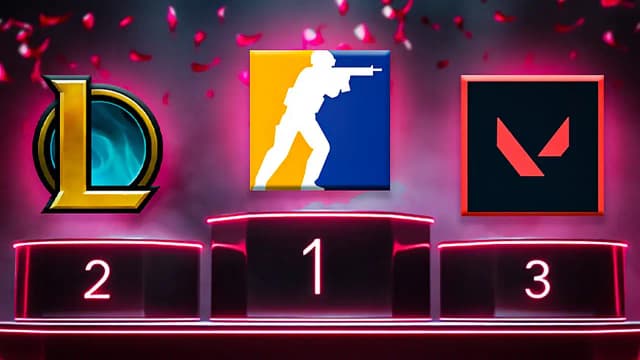
The most popular esports titles include League of Legends, Counter-Strike, Dota 2, Valorant, and Fortnite. Tournament prizes can reach hundreds of thousands or even millions of dollars. Esports events are often held in arenas and stadiums, mimicking the infrastructure of traditional sports.
Why is esports considered a sport?
Many ask: "is e-sport a sport?" The answer depends on how we define the concept of sport.
Sport is an activity that requires specific skills, training, competition, and adherence to rules. All these elements are present in esports:
-
Requires intensive mental and reflexive training;
-
Based on clearly defined rules and a competitive framework;
-
Played under supervision of referees and organizations;
-
Attracts large audiences and global sponsors, similar to football or basketball.
In many cases, the pressure and stress levels experienced by esports athletes during competition match or even exceed those of traditional sports players.
Arguments: Esports is a sport
1. Effort and preparation
Pro gamers train for up to 8–12 hours a day. Their routine resembles that of physical athletes: video analysis, psychological coaching, team strategies, and even physical fitness and diet. Hand-eye coordination and reaction time are refined through rigorous repetition and drills.
2. Recognition and structure
Esports has its own leagues, federations, and international tournaments. Examples include the League of Legends World Championship and The International in Dota 2. Major game publishers maintain strict rulebooks and enforce competitive integrity.
3. Broadcasting and audience
Esports tournaments attract millions of viewers on platforms like Twitch, YouTube, and ESPN, breaking popularity records. Some finals, such as the LoL World Championship, have exceeded 100 million unique viewers, rivaling the Super Bowl.
4. Sponsorship and prize pools
In 2023, the global esports market exceeded $1.5 billion, with projections reaching $1.8 billion by 2025. Major sponsors include Red Bull, Intel, Mercedes-Benz, Nike, and even luxury brands like Louis Vuitton.
How is esports a sport?
According to the definition by the International Olympic Committee (IOC), a sport includes:
-
Competition;
-
Organization and regulations;
-
Physical/mental preparation;
-
Fair play and global appeal.
Esports meets all these criteria. While it may lack traditional physical activity, it develops reflexes, hand-eye coordination, strategic thinking, communication, and psychological resilience.
Additionally, esports requires real-time decision making under pressure, a key feature in most recognized sports. Pro players also work within teams, develop tactics, and adapt on the fly – all hallmarks of athletic disciplines.
Is esports a real job?
Yes. Professional players sign contracts, receive salaries, have sponsors, and media obligations. Many treat esports as a full-time career. Organizations employ:
-
players,
-
coaches,
-
analysts,
-
sports psychologists,
-
managers and PR staff.
A career in esports is not limited to playing – it also includes production, event organization, commentators, streamers, and content creators. Platforms like Twitch and YouTube have enabled thousands of creators to make a living from game-related content, coaching, and broadcasting.
Esports has become a fully-fledged industry with career paths in marketing, event management, content creation, and software development.
Is esports an Olympic sport?
Currently, esports is not yet an official Olympic discipline, but integration efforts are underway:
-
In 2023, the Olympic Esports Series was organized by the IOC;
-
Some countries recognize esports as an official sport (e.g., China, South Korea);
-
Olympic committees in nations like France and Brazil have esports divisions.
Why is esports considered a sport by the IOC? Because it fulfills competitive definitions and has educational and cultural potential among youth. Moreover, it engages younger generations who are less connected with traditional Olympic sports.
There is ongoing debate about which games should be included. The IOC prefers non-violent titles, which raises questions about the inclusion of popular shooters or MOBAs.
Health and training in esports
Critics argue that esports lacks physical activity. However, the health aspect of professional gaming is being taken very seriously. Today, top teams hire:
-
physical trainers,
-
nutritionists,
-
mental coaches,
-
physiotherapists.
Players practice ergonomic posture, healthy screen time habits, and fitness routines to maintain their health and reflexes. Fatigue and stress management are crucial during intense competitions.
Some esports organizations have gone further, incorporating yoga, cardiovascular training, and sleep optimization into player routines. The modern esports athlete is much more than just a gamer.
History and growth of Esports

The popularity of esports is growing exponentially, and forecasts suggest it could rival traditional sports in popularity. Esports has already been integrated into schools and universities around the world, with scholarships, varsity teams, and research programs.
Notably, several countries now offer athlete visas to esports professionals, further solidifying their recognition as legitimate competitors.
Final conclusion: Is e-sport a sport?
Yes, esports can be considered a sport in the modern sense of the word. It meets key criteria: requires training, strategy, has league structure, rules, and engages millions of fans worldwide. It fosters teamwork, professionalism, and discipline.
Why is esports considered a sport? Because it reflects everything traditional sports represent: competition, professionalism, excitement, and a global community. From physical preparation to mental resilience, esports is as demanding and structured as any Olympic discipline.
Join the digital sports revolution!
If you’re intrigued by the world of esports, follow tournaments, support your favorite teams, and maybe take on the challenge yourself. Esports is the future of sport – digital, thrilling, and open to everyone!