Why is it worth following the CS2 skin market?
The CS2 skin market is one of the most dynamic and engaging parts of the game. Seemingly simple cosmetic items have real market value and can reach prices higher than some gaming computers. For players and investors, this means an opportunity for both equipment personalization and building a valuable skin portfolio.
On the CS2 skin market blog FlashSkins we cover:
- price trends of the most popular finishes
- how updates and new cases affect the market economy
- what to pay attention to when building a long-term skin collection
Tracking price changes and understanding basic supply and demand mechanisms allows you to make informed purchasing decisions, rather than being guided only by aesthetics or momentary trends.
How does the CS2 skin economy work?
The CS2 skin market economy is based on several key pillars:
- Limited supply — some skins stop being dropped, which increases their value
- Condition (wear) — Factory New vs. Battle-Scarred can differ in price several times
- Float and pattern — individual item characteristics affect its uniqueness
- Player and collector demand — grows when skins gain popularity on streams and tournaments
On the CS2 skin market blog we analyze these phenomena in the context of current events, such as new collections, Major tournaments, or leaks about upcoming cases.
Buying guides — how to buy skins wisely?
Not every purchase has to be expensive — the most important thing is to know what you're looking for and how to compare prices. In our guides, we help you:
- recognize good price opportunities on the secondary market
- understand differences between CS:GO and CS2 skins
- use FlashSkins filters to quickly find the perfect item
Tip: Avoid hasty purchases right after a new case premiere — prices are usually inflated then and stabilize after a few weeks.
Skins as a form of digital investment?
More and more players and traders treat skins not only as decoration, but also as assets with potential value. Such an approach requires knowledge and patience though. On the FlashSkins blog we publish:
- long-term value growth analyses
- rankings of the most stable skins from an investment perspective
- warnings about speculative bubbles
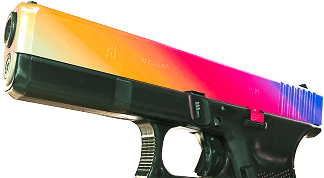
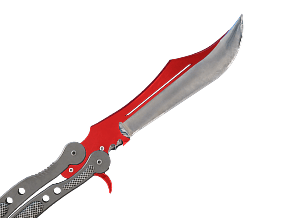
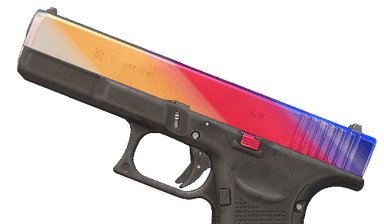
Skins such as Karambit Fade, AWP Dragon Lore, or Glock Fade have gained cult status and maintain high prices for years — but not all skins follow this path.
Skin market and community — how do players influence prices?
It's the players who create demand — a skin's popularity on TikTok, Twitch, or among professional players can cause the price of a given model to rise within a few days. Our CS2 skin market blog analyzes the impact of:
- influencers and streamers on purchasing trends
- CS2 meta on visual choices (e.g., dark vs. bright skins)
- seasonal fashion — some skins "come back into favor" cyclically
Thanks to these observations, you can predict changes and react before the rest of the market does.
Which skins gain in value?
In our analyses, the most frequently appearing skins are those that combine:
- unique design with limited availability
- attractive float and desirable patterns
- appearance in prestigious collections (e.g., Cobblestone, The Arms Deal)
At the same time, we warn against one-season trends — not every viral skin will prove to be a good value investment.