





-black-pearl.png&w=256&q=75)
-phase-4.png&w=256&q=75)
-emerald.png&w=256&q=75)
.png&w=256&q=75)
-sapphire.png&w=256&q=75)
-ruby.png&w=256&q=75)
.png&w=256&q=75)
-emerald.png&w=256&q=75)
.png&w=256&q=75)
.png&w=256&q=75)
-phase-1.png&w=256&q=75)
.png&w=256&q=75)
.png&w=256&q=75)
.png&w=256&q=75)
-phase-4.png&w=256&q=75)
.png&w=256&q=75)
-phase-2.png&w=256&q=75)
.png&w=256&q=75)
-sapphire.png&w=256&q=75)
-ruby.png&w=256&q=75)
.png&w=256&q=75)
.png&w=256&q=75)
.png&w=256&q=75)
.png&w=256&q=75)
.png&w=256&q=75)
.png&w=256&q=75)
.png&w=256&q=75)
.png&w=256&q=75)
.png&w=256&q=75)
.png&w=256&q=75)
.png&w=256&q=75)
.png&w=256&q=75)
.png&w=256&q=75)
.png&w=256&q=75)
.png&w=256&q=75)
.png&w=256&q=75)
.png&w=256&q=75)
.png&w=256&q=75)
.png&w=256&q=75)
.png&w=256&q=75)
.png&w=256&q=75)
.png&w=256&q=75)
.png&w=256&q=75)
.png&w=256&q=75)
.png&w=256&q=75)
.png&w=256&q=75)
.png&w=256&q=75)
.png&w=256&q=75)
.png&w=256&q=75)
.png&w=256&q=75)
.png&w=256&q=75)
.png&w=256&q=75)
.png&w=256&q=75)
.png&w=256&q=75)
.png&w=256&q=75)
.png&w=256&q=75)
.png&w=256&q=75)
.png&w=256&q=75)
.png&w=256&q=75)
.png&w=256&q=75)
.png&w=256&q=75)
.png&w=256&q=75)

.png&w=256&q=75)
.png&w=256&q=75)



the best prices on the market
and safely on FlashSkins.gg now!
Pins CS2
What are pins in CS2?
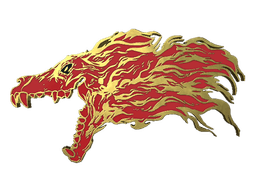
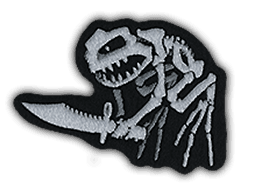
Pins in CS2 are collectible cosmetic items representing events, factions, or thematic collections within the Counter-Strike universe. Unlike skins or stickers, pins aren’t applied to weapons – instead, they appear in your profile or alongside in-game nameplates depending on the interface setup.
Though they have no impact on gameplay, they carry major status and collector value. Players often showcase them to reflect their personality, achievements, or support for certain in-game factions or tournaments.
How to get pins in CS2?
Many players ask:
How to get pins in CS2?
Are pins still available?
Can you get them in-game or only through trade?
There are three main ways to obtain pins in CS2:
Buy official physical pin sets – Valve released real-life collectible pins during events like Majors. Each physical pin comes with a code that can be activated in-game.
Buy pins on the market (Steam or FlashSkins) – players can sell or trade pins they’ve redeemed.
Earn them through in-game events – certain pins were distributed as rewards for operations, missions, or limited campaigns.
Important: Some pins are marked “Genuine”, meaning they were redeemed using physical codes from original pin sets. These are more prestigious than those acquired through secondary markets.
What do pins do in CS2?
New players often wonder:
“What do pins actually do in CS2?”
Here’s what they offer:
They are purely cosmetic – no impact on performance.
They display in your CS2 profile – adding flair and personality.
Some appear in UI areas, such as the scoreboard or player intro cards.
Their purpose is to:
Showcase your achievements or style.
Serve as a badge of honor for participating in specific events.
Build identity within the community.
Note: Rare pins can add perceived value to your account, especially those from limited releases or discontinued events.
What are genuine pins and how to get them in CS2?
Genuine pins are a special type of collectible – they prove that the player obtained the pin from a real-world Valve-authorized product or event. These pins cannot be generated or duplicated through standard trading.
To get a genuine pin:
Purchase an official Valve Pin Pack (often released during CS Majors).
Use the code included inside the pack to activate it in your account.
The pin is then marked as "genuine" and appears with a special tag in your inventory.
Why does it matter? Genuine pins are more valuable to collectors because they confirm a real-world connection. They cannot be replicated or faked through regular trade or drops.
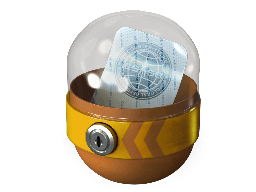
Can you sell charm detachment pack CS2?
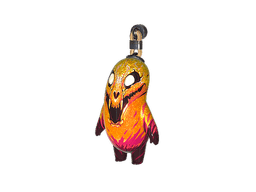
A common point of confusion among players is the difference between pins and charms in CS2. While charms attach to weapons, pins are independent cosmetic items that reside in your inventory. When it comes to trading or selling, players often ask:
“Can you sell the charm detachment pack in CS2?”
Let’s clarify:
Pins can be traded or sold on platforms like FlashSkins or Steam Community Market.
Charm detachment packs, as a different cosmetic system, have their own rules.
If you're wondering specifically about selling pins:
Yes – you can list them on the market or exchange them through third-party marketplaces like FlashSkins. Genuine pins, if traded, lose their "genuine" tag but retain visual appeal.
Can you remove pins in CS2?
Some players also ask:
“Can I remove a pin from my profile or inventory?”
Pins can’t be deleted, but you can unequip or hide them from public display if you prefer a cleaner UI.
In match interfaces that show pins (e.g., MVP cards), players can toggle which pin is active.
Once redeemed, a pin is tied to your account and can only be sold if it is not a “genuine” version already redeemed via a one-time code.
What about detaching charms or pins in CS2?
While charms (on weapons) can sometimes be removed or replaced, pins are standalone and not attached to weapons – so there is nothing to “detach.”
Can you detach pins in CS2?
Unlike weapon stickers or charms, pins aren’t physically attached to an item. They are:
Part of your account inventory
Displayed optionally, not forcibly applied to gear
Not consumed or altered once equipped
So, if you're asking whether you can detach a pin:
You don’t need to. Simply choose not to display it.
How to buy pins in CS2 – marketplace tips
Looking to grow your collection? Here's how to buy pins on FlashSkins:
Log into FlashSkins with Steam – seamless inventory sync.
Filter by condition and rarity – choose between base pins or exclusive genuine versions.
Compare prices – genuine pins are often higher in value but worth it for collectors.
Sort by collection – find thematic pins from Operations, Majors, or community events.
Why FlashSkins?
Secure transactions through Steam
Thousands of listings with competitive pricing
Visual previews and item details (float, authenticity, tags)
No risk of scams – only verified sellers
Tip: Use “Buy Now” for instant delivery, or track pinned offers manually if you're looking for rare pieces.
Rarest pins in CS2 – top collector targets
Some pins are highly sought after for their exclusivity or visual design. Examples include:
Guardian Elite – awarded to veteran players; difficult to find
CS:GO 10-Year Coin – a commemorative badge with long-term value
Tactics Pin – limited from early operations, subtle yet rare
Genuine Bravo Pin – from physical Major merchandise
How to recognize rare pins:
Check for the "Genuine" tag
Review market history and listing counts
Inspect in-game visibility and player usage in ranked matches
Collectors often aim to complete full collections, such as the CS20 anniversary pin set or Faction-specific pin series. Rarity is amplified when pins are discontinued or tied to time-limited events.
Final thoughts – why pins matter in CS2
Pins may not influence combat, but they’re badges of history, loyalty, and status. From original 2014 Majors to contemporary souvenir packs, every pin tells a story.
They’re perfect for:
Collectors building long-term inventories
Players who want to stand out visually
Investors tracking limited cosmetic items
Whether you're showing off your allegiance to Phoenix, celebrating an Operation, or just flexing your style – pins are a subtle but impactful cosmetic.