Do CS:GO (CS2) skins wear out? What every player should know
Do CS:GO (CS2) skins wear out? Learn how float values work, what affects condition, and whether skins degrade with use or time. Full explanation here.
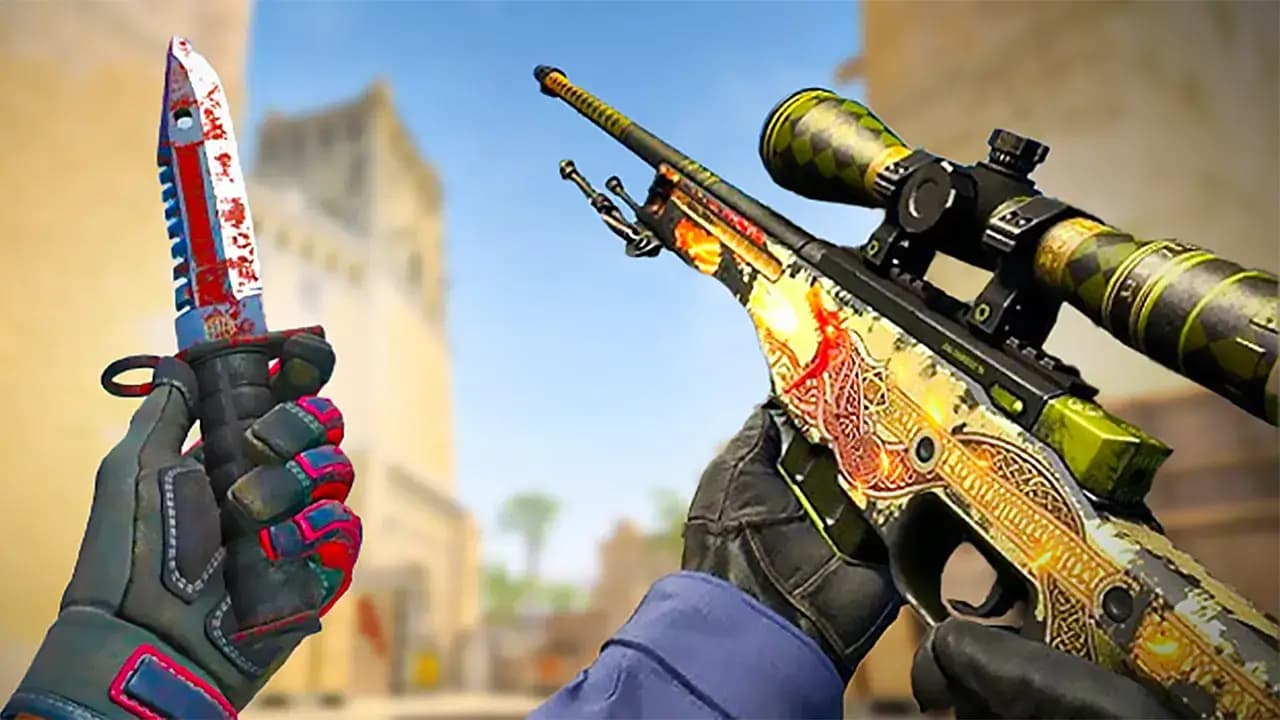
Table of Contents
Introduction: Why skin wear matters in CS:GO (CS2)
Counter-Strike 2 isn’t just a competitive shooter — it’s also home to one of the most vibrant virtual economies in gaming. With individual skins worth hundreds or even thousands of dollars, one question often comes up: Do CS:GO (CS2) skins wear out over time or with use?
It’s a fair concern. If you’re putting real money into digital items, you want to know if they’ll hold their condition. In this article, we’ll break down how the wear system works in CS:GO (CS2), what actually influences a skin’s condition and market value, and clear up some common misconceptions that still circulate within the community.
Whether you're a casual player or an investor, here’s everything you need to know.
How CS:GO (CS2) skin wear levels work
When you unbox or receive a skin in CS:GO (CS2), it’s assigned a float value — a decimal number between 0 and 1. This number determines the skin’s wear level, which directly affects how scratched or clean the weapon appears in-game.
The float ranges are:
-
Factory New (0.00 – 0.07)
-
Minimal Wear (0.07 – 0.15)
-
Field-Tested (0.15 – 0.38)
-
Well-Worn (0.38 – 0.45)
-
Battle-Scarred (0.45 – 1.00)
But here’s the key: that float value never changes. Once it’s assigned, it’s permanent. No matter how many matches you play or how long the item sits in your inventory, its condition will remain exactly the same.
Do CS:GO (CS2) skins wear out with use?
A common misconception is that using a skin repeatedly might cause it to deteriorate — kind of like a real-life weapon. But in CS:GO (CS2), this simply doesn’t happen.
You could use a skin in 10 rounds or 10,000 rounds. The visual condition won’t degrade. It won’t get more scratched, faded, or worn. Valve made a conscious decision to keep wear static and permanent to protect the long-term value and appeal of cosmetic items.
So, if someone asks whether using a skin makes it wear out — the answer is a confident no.
Debunking myths: Do CS skins wear down over time?
Another version of this myth is the idea that skins might “age” or slowly degrade just by sitting in your inventory for a long time. Again, this is completely false.
CS:GO (CS2) skins do not change with time. Their wear level and float value are coded into the item when it’s created and don’t shift, regardless of how much time passes. You could leave a Factory New skin untouched in your inventory for five years, and it’ll look exactly the same when you finally equip it.
This confusion may stem from other games where gear does degrade over time — but in CS:GO (CS2), that’s not the case.
What actually affects skin value?
So if wear doesn’t change, what does affect a skin’s market price?
Here are the main factors:
-
Float value: Lower floats (closer to 0.00) usually command higher prices.
-
Weapon popularity: Skins for AWP, AK-47, and M4A1-S tend to be more valuable.
-
Visual design: Some skins simply look better, and unique patterns or bright colorways often drive demand.
-
Stickers: Rare or tournament-related stickers, especially with good placement, can add significant value.
-
Rarity: Skins from discontinued collections or rare cases typically sell for more.
Sometimes, players mistake a drop in price as a sign their skin has “worn out,” but it’s just the market reacting to changes in supply and demand.
Wear, float, and visual condition explained
Even within the same wear category, two skins can look quite different — and that’s where float value matters most.
For example:
-
A Minimal Wear skin with a 0.08 float might look almost brand new.
-
Another Minimal Wear skin with a 0.14 float could have visible wear marks.
Some skins, like the AWP Asiimov or AK-47 Redline, have particularly noticeable visual differences between wear levels. Understanding float values can help you make smarter buying, selling, and trading decisions.
Tips for maintaining value in your skin inventory
Even though wear doesn’t change, your skin’s value can still fluctuate. Here’s how to protect it:
-
Avoid shady trades: Use trusted platforms and beware of impersonators or scam bots.
-
Use trade locks wisely: Don’t make rushed trades during cooldown periods.
-
Store rare items safely: Consider using a separate, secure Steam account.
-
Track the market: Tools like Buff.163, Steam Market graphs, and skin trackers can help you spot trends.
-
Don’t buy during hype: Prices spike during major events — be patient and strategic.
Some serious collectors treat their inventories like stock portfolios, and it pays off.
Community misconceptions about wear and damage
Despite Valve’s transparency, a number of myths still persist in the CS:GO (CS2) community:
-
“Using a skin in a match causes it to wear.”
-
“Letting someone borrow a skin lowers its condition.”
-
“Older skins are more worn-out than newer ones.”
All of these are completely false.
Skins are digital assets with hard-coded wear values. Gameplay, time, and trading do not — and cannot — change their float or appearance.
Summary of the CS:GO (CS2) skin system
Here’s a quick recap of how it all works:
-
Skins are created with a float value that determines wear.
-
That float value never changes.
-
Time and gameplay have no effect on skin condition.
-
Market value fluctuates based on trends, not damage.
-
Understanding float, rarity, and design helps you make better trading decisions.
Final verdict: Do CS:GO (CS2) skins wear out?
So, do CS:GO (CS2) skins wear out? No — they don’t.
Whether you’re playing daily or letting your skins sit untouched for years, their condition stays locked at the float value they were born with. They don’t scratch, fade, or break. The only thing that changes is their price — and that depends entirely on market forces, not gameplay.
If you're worried about “damaging” your rare skin by using it in a match, don’t be. Enjoy it. Equip it. Flex it. It’ll look the same tomorrow, next week, or five years from now.
Want to know which skins hold their value best over time? Stay tuned — we’ll be sharing our Top 10 Long-Term CS:GO (CS2) Skin Investments soon.